
5 Snow Removal Mistakes That Can Damage Your Property
Ontario winters can be tough on your home. Heavy snowfall, freezing rain, ice, and repeated freeze-thaw cycles can put significant stress on your driveway, walkways, lawn, landscaping, and other outdoor surfaces.
While removing snow is essential for keeping your property safe and accessible, the wrong snow removal techniques can actually cause expensive damage.
Whether you clear your driveway yourself or hire a professional snow removal company, avoiding these five common mistakes can help protect your property throughout the winter.
1. Using the Wrong Equipment on Your Driveway
One of the biggest mistakes homeowners make is using equipment that isn’t suitable for their driveway surface.
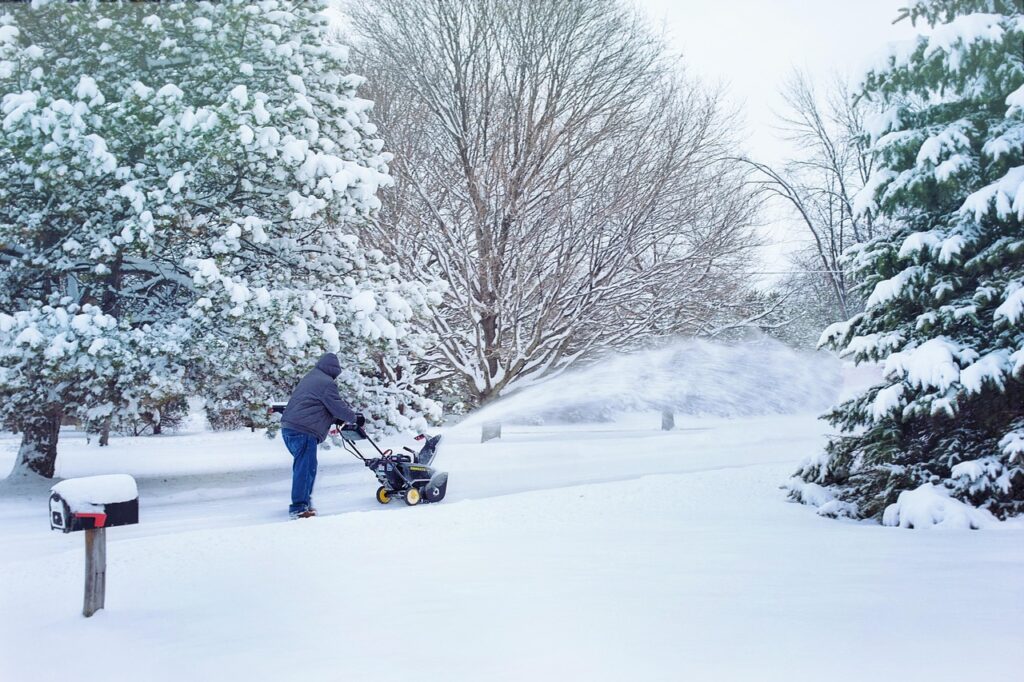
A snow shovel with a metal edge, an improperly adjusted snow blower, or heavy plowing equipment can scratch, chip, or damage certain surfaces. Interlock, concrete, asphalt, and decorative surfaces can all require different approaches.
Heavy equipment can also catch raised edges, damaged areas, or uneven sections of pavement, potentially making existing problems worse.
What should you do instead?
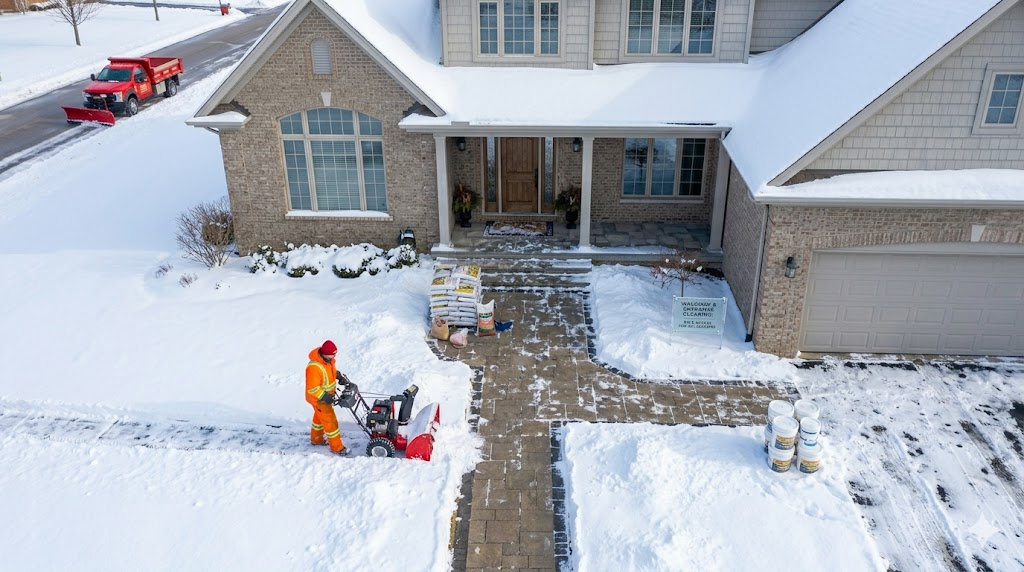
Use equipment appropriate for the surface being cleared. Snow removal should be performed carefully around curbs, garage doors, landscaping features, steps, and other areas where equipment can cause damage.
Professional snow removal crews should also inspect the property and understand potential hazards before clearing it.
2. Pushing Snow Onto Your Lawn or Landscaping
It may seem convenient to push large amounts of snow onto the nearest patch of grass, but repeatedly piling heavy snow in the wrong areas can damage your lawn and landscaping.Large snow piles can:
- Flatten grass and plants
- Break shrubs and branches
- Cover garden beds
- Create drainage problems when snow melts
- Leave behind salt and other de-icing materials
- Create wet conditions that can contribute to lawn damage
Snow should be placed strategically in areas where it can melt safely without damaging plants, blocking drainage, or creating problems for pedestrians and vehicles.
It’s also important to avoid pushing snow onto the roadway. Municipalities such as Pickering specifically advise residents not to place driveway snow on the road because it can create hazards for road users.
3. Using Too Much Salt or De-Icing Product
When a driveway becomes icy, it can be tempting to spread as much salt as possible.
More salt, however, doesn’t necessarily mean better ice control.
Ontario’s Ministry of the Environment recommends using de-icing chemicals conservatively and applying the minimum amount necessary to achieve the desired result.
Excessive use of de-icing products can contribute to damage around lawns, gardens, concrete surfaces, and other salt-sensitive areas.
Instead of dumping salt across an entire driveway, homeowners should consider:
- Removing as much snow and ice as possible first
- Selecting an appropriate de-icing product
- Applying it according to the product’s directions
- Avoiding unnecessary applications
- Keeping salt away from sensitive landscaping whenever possible
The right product and application rate depend on the weather, surface, and severity of the ice.
4. Waiting Too Long to Remove Snow
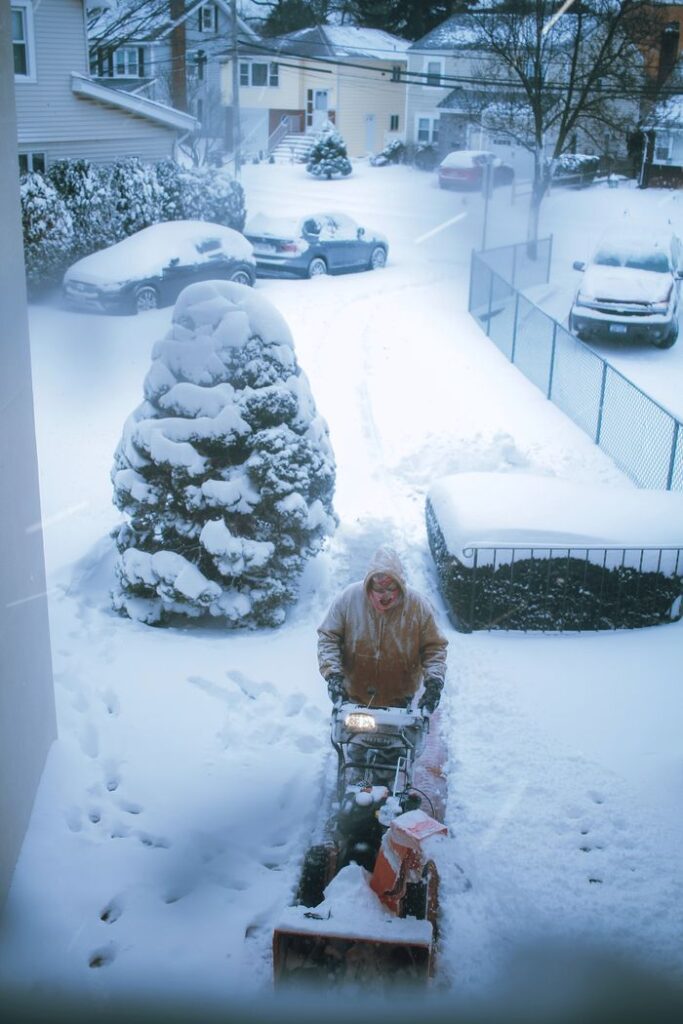
Waiting until a major snowfall is completely finished—or until snow has been sitting on your driveway for hours—can make removal much harder.
Fresh snow is generally easier to move than snow that has been compacted by vehicles and foot traffic. As temperatures change, snow can also melt and refreeze, creating a hard layer of ice.
This is particularly important during Ontario’s frequent freeze-thaw conditions.
Timely snow removal can help prevent snow from becoming packed onto the driveway and reduce the amount of heavy scraping or aggressive equipment use required later.
For commercial properties, timing is even more important. Delayed snow and ice management can create access and safety issues for employees, customers, tenants, and visitors.
5. Clearing Snow Without Considering Ice
Removing visible snow is only part of winter property maintenance.
A driveway may look clear while still having a thin layer of packed snow or ice underneath. When temperatures drop, that layer can become extremely slippery.This is one reason the timing of de-icing matters. In an Ontario court case involving a commercial snow removal contractor, the court considered evidence that delaying salt application after plowing contributed to the formation of a slippery surface.
Snow removal and ice management should be treated as two parts of the same winter maintenance process.
Protect Your Property This Winter
Snow removal doesn’t have to mean sacrificing the condition of your driveway, lawn, or landscaping.
By using the right equipment, placing snow carefully, limiting unnecessary de-icing chemicals, removing snow promptly, and checking for ice after clearing, you can reduce the risk of winter-related property damage.
For homeowners and businesses that don’t want to handle winter maintenance themselves, professional snow removal can provide a more consistent approach throughout the season.
Best Pro Lawn & Snow provides professional lawn, snow, and property maintenance services for homeowners and businesses throughout Durham Region and surrounding communities.
If you’re looking for dependable snow removal this winter, getting your property on a regular maintenance schedule can help keep it safer, more accessible, and better protected throughout the season.